
As Tasmanians prepare to vote to elect 29 new councils this month, we are keen to encourage support for the 144 women candidates standing for local government across the state.
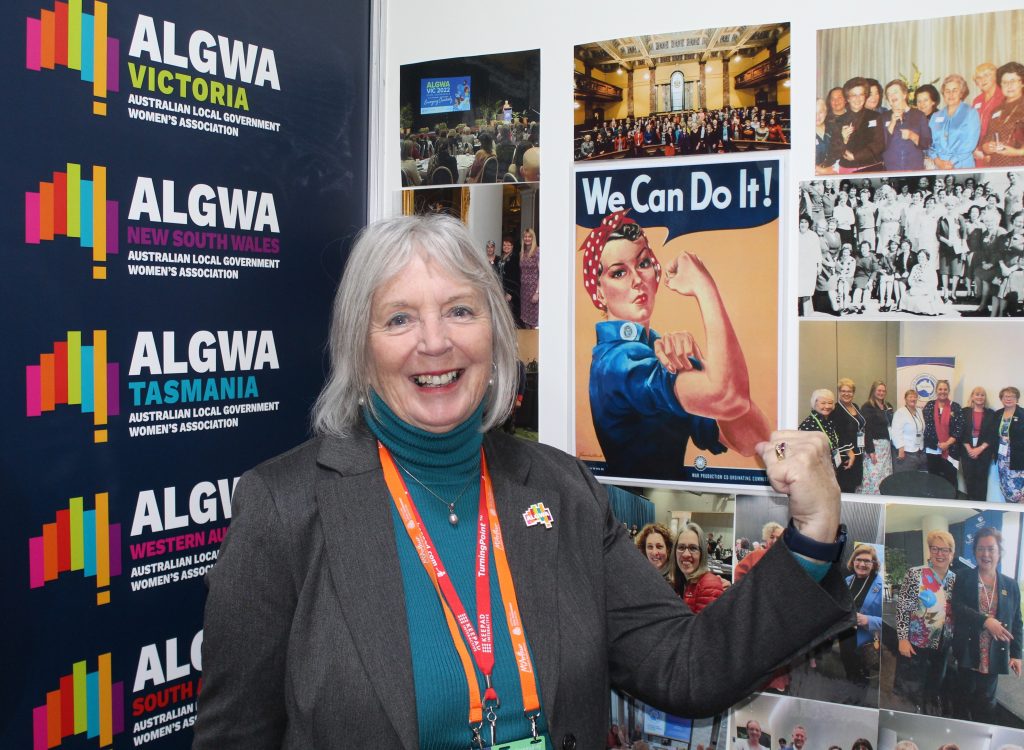
Our heartfelt thanks and very best wishes to past president Dr Mary Duniam and all other women retiring from local government at this election.
Leading by example is of itself a tremendous contribution to our democracy, doing so with such expertise and integrity even more so.
Let’s spare a thought for the very first!
Long hidden in history’s pages, we pay tribute to Gladys Boniwell who was elected to Glenorchy Council in 1947 and became to very first woman elected to local government in Tasmania.
Dorothy Edwards followed in 1949, the first woman elected to Launceston Council and in 1955 Dorothy was elected Mayor of Launceston, the first woman to serve as mayor of an Australian city.
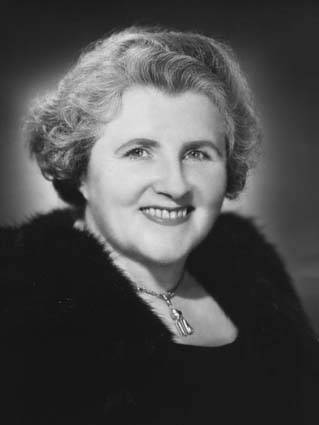
(National Archives)
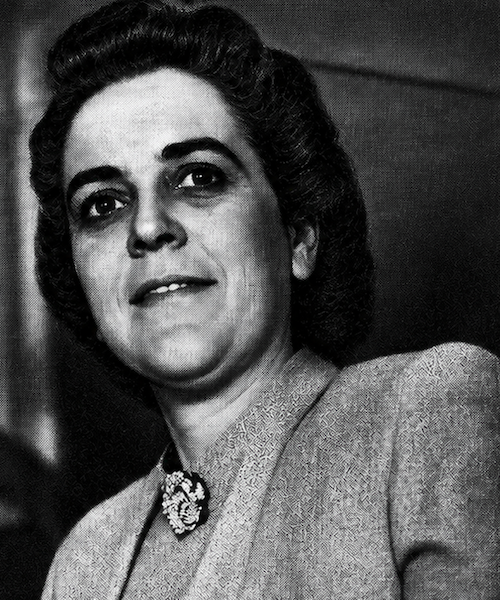
(The Examiner, May 1947)
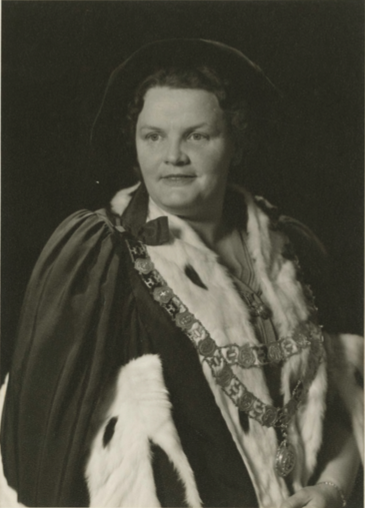
Gladys and Dorothy were almost certainly inspired by the remarkable Tasmanian trailblazer, Dame Edith Lyons, a staunch advocate for women’s political participation, who in 1943 was the first woman elected to the House of Representatives in the Federal Parliament.
Gladys now takes her rightful place at the beginning of the register we are creating to recognise all the women elected to local government in Tasmania.
Acting president of ALGWA Tasmania, Cr Melinda Reed, says the register is proving challenging to compile because there are no official local government records by gender.
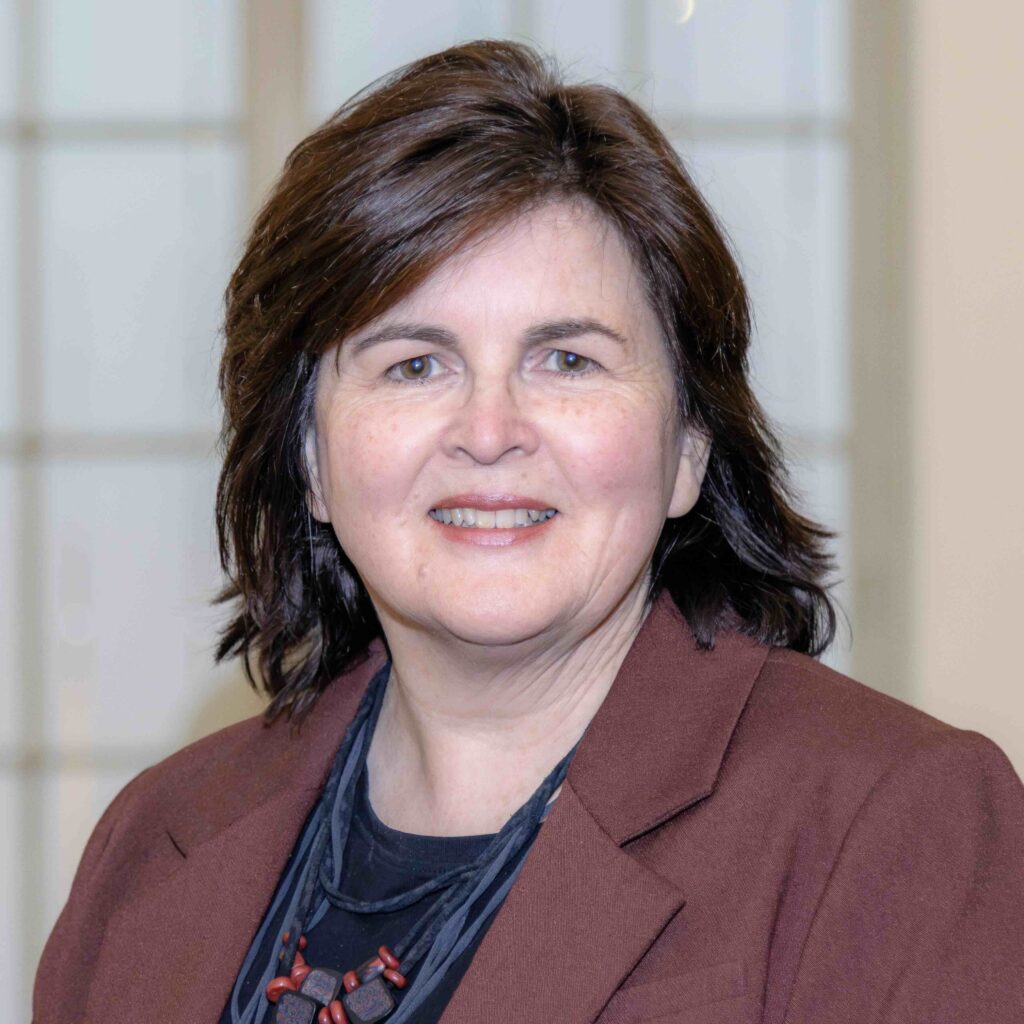
“Before 1994 candidates were only listed by their initials. We’ve had some great help from the Parliamentary Library to discover many of the first women elected to Tasmanian Councils,” Melinda explained.
“Then Glenorchy Council staff recently re-discovered Gladys and passed on the news – we’d love to know more about her life before and after council.”
“While being gender blind is a good thing on the ballot paper, it seems particularly unhelpful to have no meaningful gender data on candidates and elected members, so no way to reliably measure what matters in terms of diversity and fair representation across our communities.”
“Even now, extra checking is needed to be certain how to record candidates by name – Kelly, Kerry or Kim for example – and we are hopeful that can be rectified with a simple change to candidate nomination forms.”
“We’re keen to explore that for future elections, perhaps along with a candidate authorisation code that can be used on election signs and other election materials in place of the mandatory name and street address rule that causes concern for many candidates.”

Expert research for Australia’s eSafety Commissioner, and for Face Forward and other online safety initiatives, confirms that hateful online and personal abuse has escalated in recent times. The concerning trend is reported to deter women from nominating for local government and is a serious issue gaining wide media attention, thankfully with strong responses through ALGWA nationally as well as Women for Election, Pathways to Politics, and LGAT’s Lift the Tone campaign across the local government sector in Tasmania.
“It’s sobering to realise just how courageous Gladys must have been as the first woman candidate in Tasmania, but even so, the rise in incivility and abusive behaviour in recent years has been unprecedented,” Cr Reed noted.
ALGWA Tasmania welcomes Dr Mary Duniam’s recent public statements about her own experiences and her observations after more than 20 years serving on Waratah-Wynyard Council, as past president of ALGWA Tasmania and in many other leadership roles:
Democracy is strengthened by disagreement, but it is weakened by bullying.
The normalisation of threats and harassment in local politics is dangerous.
It is not just about the safety of individual councillors, it is about the health of our democracy.
After almost 50 years of ALGWA in Tasmania, we are proud of the practical peer support that being a member of ALGWA offers women in local government – knowing you are not alone, working together to better understand issues, to strengthen our skills, to offer mentoring and to advocate for one another. It’s just as important now as 1978, perhaps more so.
Last month ALGWA Tas hosted our first online sessions for new candidates around the state. Tasmanian members participate in ALGWA’s national mentoring program, the very popular ALGWA online masterclasses are free to members Australia wide, and we are preparing to support the women newly elected to Tasmanian councils as well as future candidates longer term.
We are excited to see that eight of the 2026 UTAS Pathways to Politics participants are standing for local government this month – see below. The program graduation will be held the same day the polls close.
ALGWA Tasmania wishes all 144 women candidates the very best and we trust our communities will continue to back skilled and dedicated women leaders who step up to serve in these challenging times.
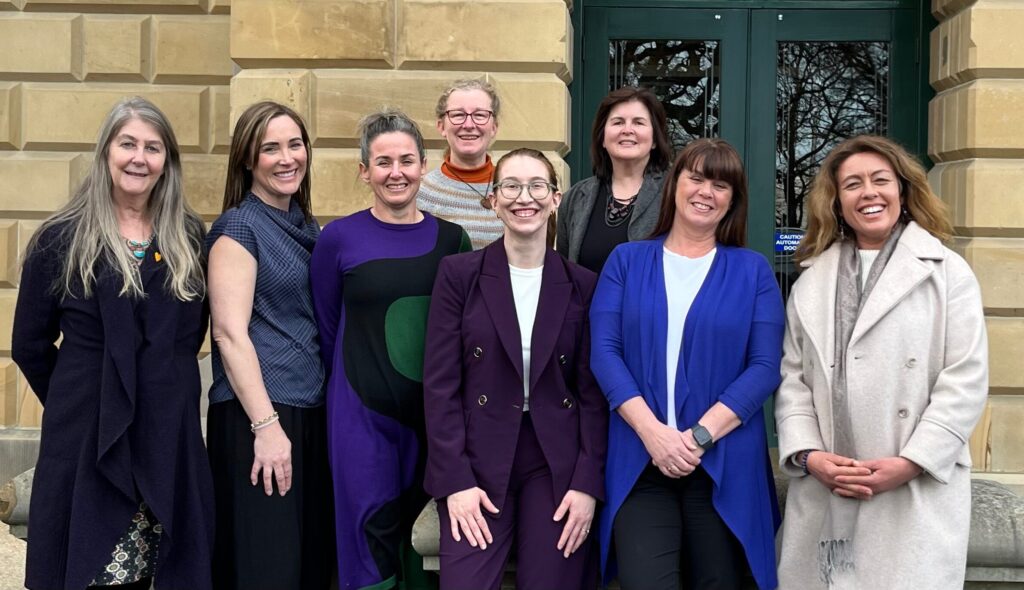
L-R: Stephanie Kirkman Meikle (Kingborough), Jo Westwood (Kingborough), Teisha Archer (Kingborough), Cr Amy Robertson (Huon Valley), Tiffany Ashdown (Hobart), Cr Melinda Reed (Sorell), Jo Brodie (Clarence), Carly Allen (Clarence).